- Display 46 Products per page



How Pond Bacteria Work
Every pond collects waste. Over time, leaves, grass clippings, fish waste, and dead algae sink and build up as muck. Then that muck releases nutrients, which feed algae and weeds. Beneficial bacteria digest this waste before it becomes a problem.
Our Products
- PondFit Beneficial Pond Bacteria: Bacteria and enzymes in dissolving packets. Because it works mainly in the water, it clears murky water and odors.
- MuckEater Pelleted Pond Bacteria: Heavy pellets sink into the bottom sludge. Then the bacteria digest the muck.
- Natural Pond Treatment Pack: PondFit, MuckEater, and pond dye in one bundle.
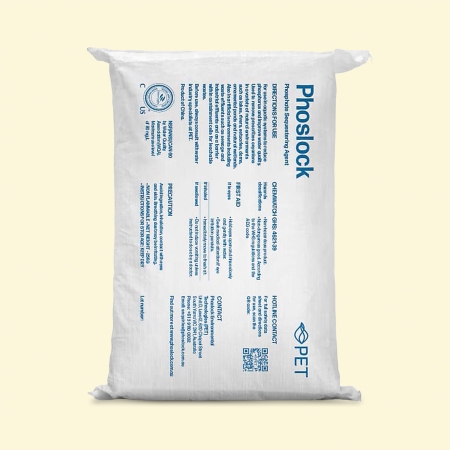
- MetaFloc, Phoslock, and Phosphate Binder: Lock up phosphorus, the nutrient behind most algae blooms.
Tips for Best Results
Start early in the season and treat on a regular schedule. Also, pair pond bacteria with aeration, since oxygen helps bacteria work faster. However, if you use an algaecide, wait several days before adding bacteria.
Pond Bacteria FAQs
What is the difference between PondFit and MuckEater?
PondFit works mainly in the water, where it clears murky water and odors. MuckEater, on the other hand, sinks to the bottom and digests the muck layer. Many owners use both.
How long do beneficial bacteria for ponds take to work?
Most ponds show results after several weeks of regular treatment. In addition, our natural pond treatments offer more ways to cut nutrients.