Iowa Fish Stocking Services
Bjornsen Pond Management provides Iowa fish stocking for ponds and lakes across the state. We help you choose the right species and size, whether you need initial stocking, corrective stocking, or forage fish. To get the best fish, we partner with top hatcheries in 14 states: Alabama, Texas, Oklahoma, Kansas, Arkansas, Missouri, Iowa, Minnesota, North Dakota, Wisconsin, Michigan, Ohio, Indiana, and Illinois.
Bjornsen Pond Management provides pond audits with electrofishing and fish stocking across the state of Iowa. And we provide advice, and products all across the country. Trust us to make your pond a trophy pond!
Fish availability from our growers is hard to predict! Quantities of certain species, as well as seasonal timing, change dramatically from year to year. Reserving your fish and your Iowa fish stocking date will ensure you get what you want, when you want it.
Fish We Stock Across Iowa
Our Iowa fish stocking programs use only genetically superior stock from the nation’s best breeders.
Bass
Bass are the main predators in most Iowa ponds. They feed on smaller fish, which keeps panfish from overcrowding. As a result, a healthy bass population is the key to a balanced pond. We offer three types, so you can match the fish to your water and your goals. Bass are the starting point for many Iowa fish stocking plans.
Largemouth Bass
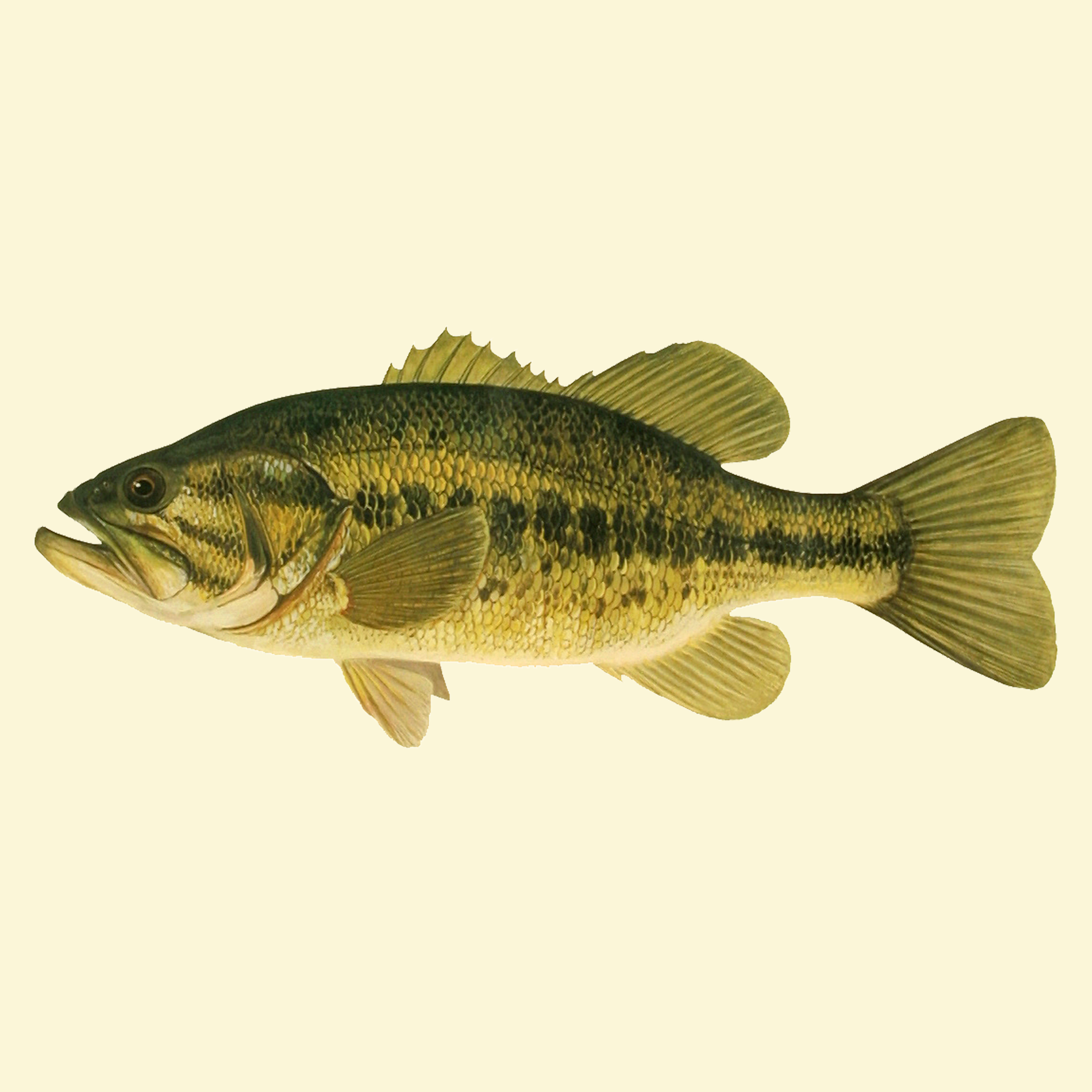
Largemouth bass are the top predator in most Iowa ponds. They have a green top and a dark stripe along each side. Their upper jaw extends past the back of the eye, setting them apart from smallmouth bass. Because they eat smaller fish, they keep bluegill numbers in check. As a result, your panfish grow larger, and your pond stays in balance.
Best for: Bass and bluegill ponds, sport fishing, and trophy bass.
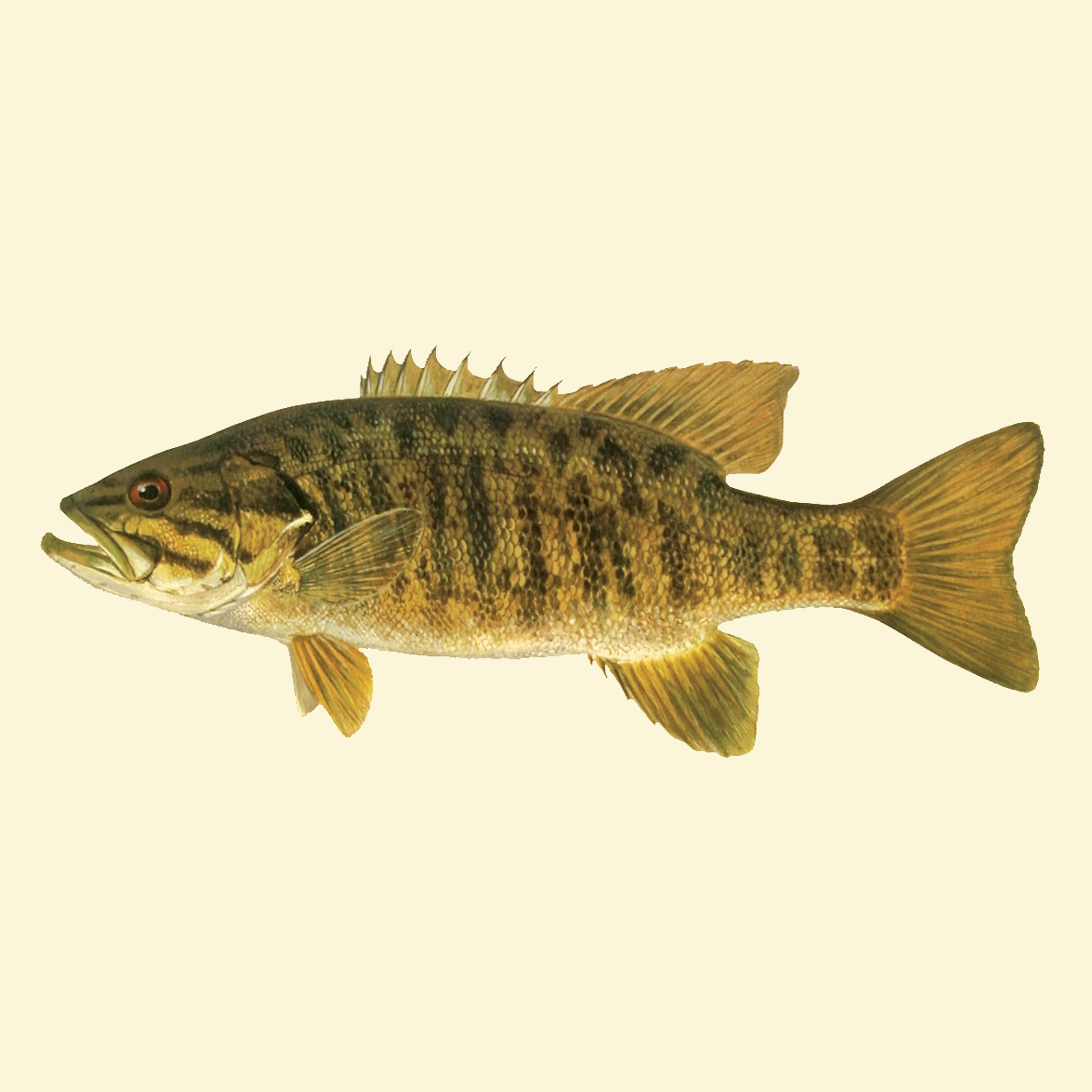
Smallmouth Bass
Smallmouth bass are bronze to brown, with dark vertical bars on their sides. Unlike largemouth, their upper jaw does not reach past the back of the eye. They prefer clear, cool water with rock or gravel bottoms. For that reason, they do best in larger, deeper ponds and lakes. Anglers prize them because they fight hard and often jump when hooked.
Best for: Clear, deep, rocky ponds and lakes.
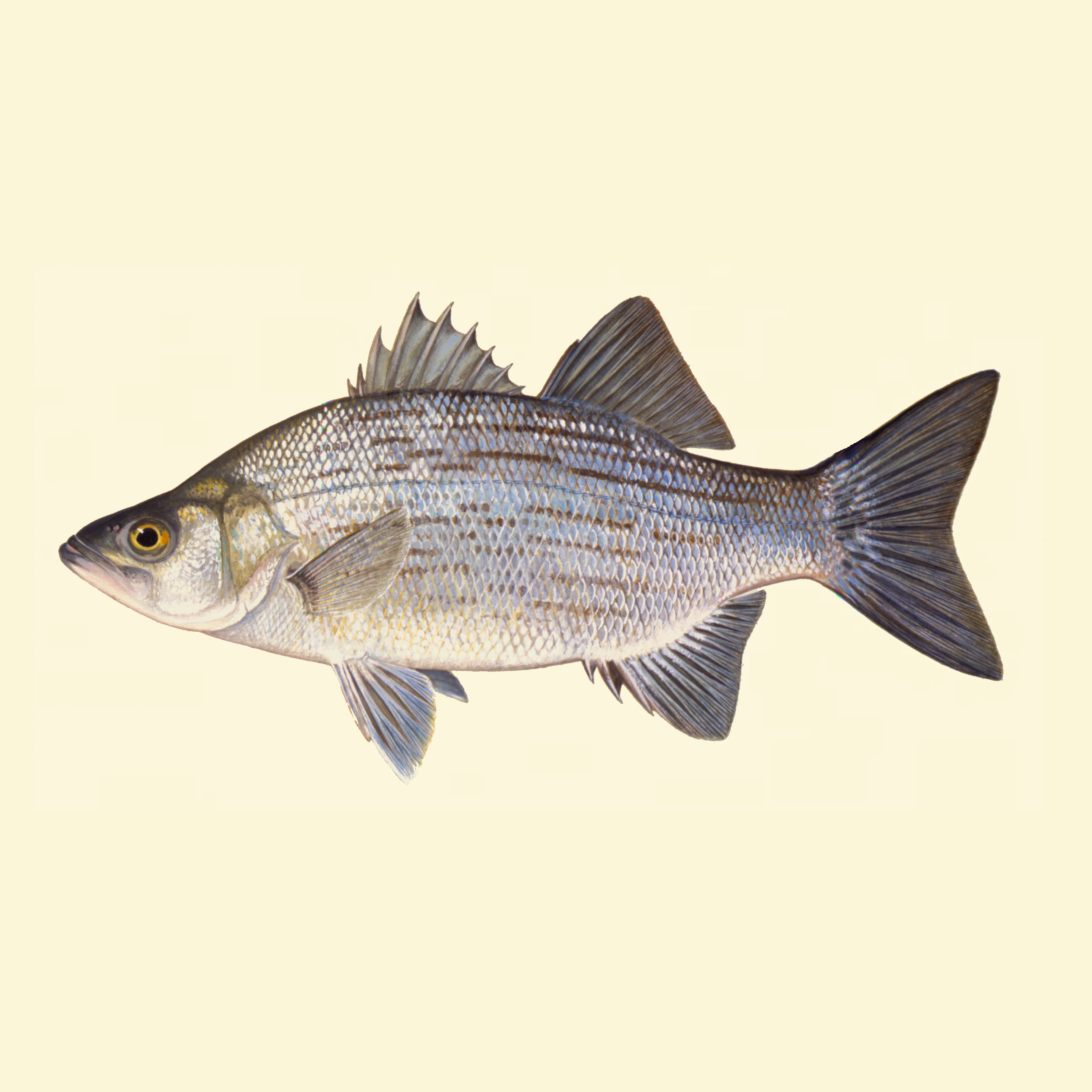
Hybrid Striped Bass
Hybrid striped bass are a cross between striped bass and white bass. They are silver with broken dark stripes along the sides. They grow rapidly and hunt in open water, so they hit lures aggressively. They also rarely reproduce in ponds. That means you control their numbers by how many you stock. They also need good oxygen levels to thrive.
Best for: Fast-action, hard-fighting fish in well-aerated ponds.
Catfish
Catfish are bottom feeders that find food with their whisker-like barbels. They grow well, take pellet feed, and are great to eat. However, they seldom reproduce in ponds with bass. For that reason, most owners restock them every few years. Catfish are a popular part of Iowa fish stocking plans.
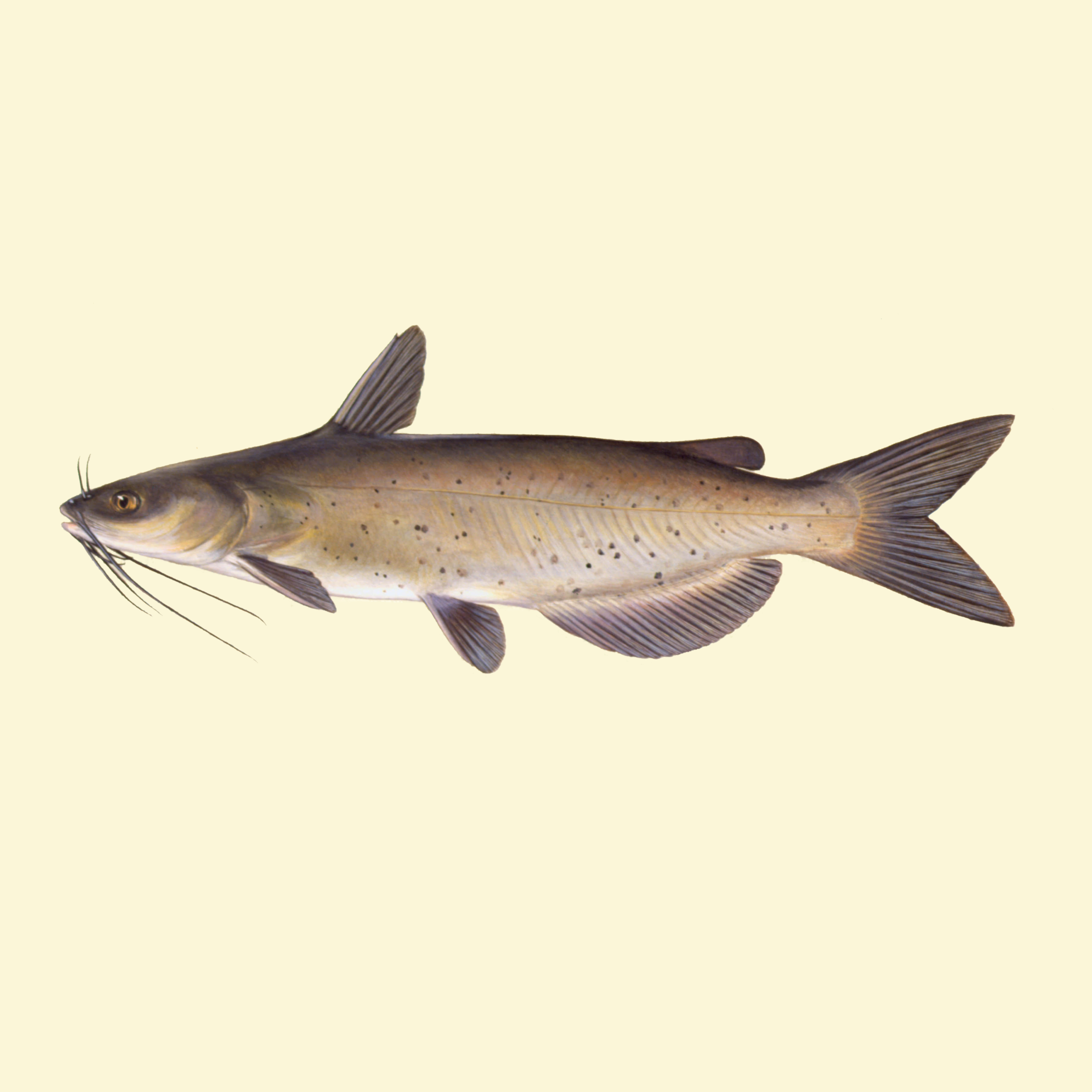
Channel Catfish
Channel catfish have a deeply forked tail and long, whisker-like barbels around their mouths. They are gray to silver on top and pale below. Young fish often have small dark spots, and channel cats grow well on pellet feed. However, they rarely reproduce in ponds with bass. So most owners restock them every few years. If your pond already has bass, stock larger fingerlings.
Best for: Easy fishing, family ponds, and great table fare.
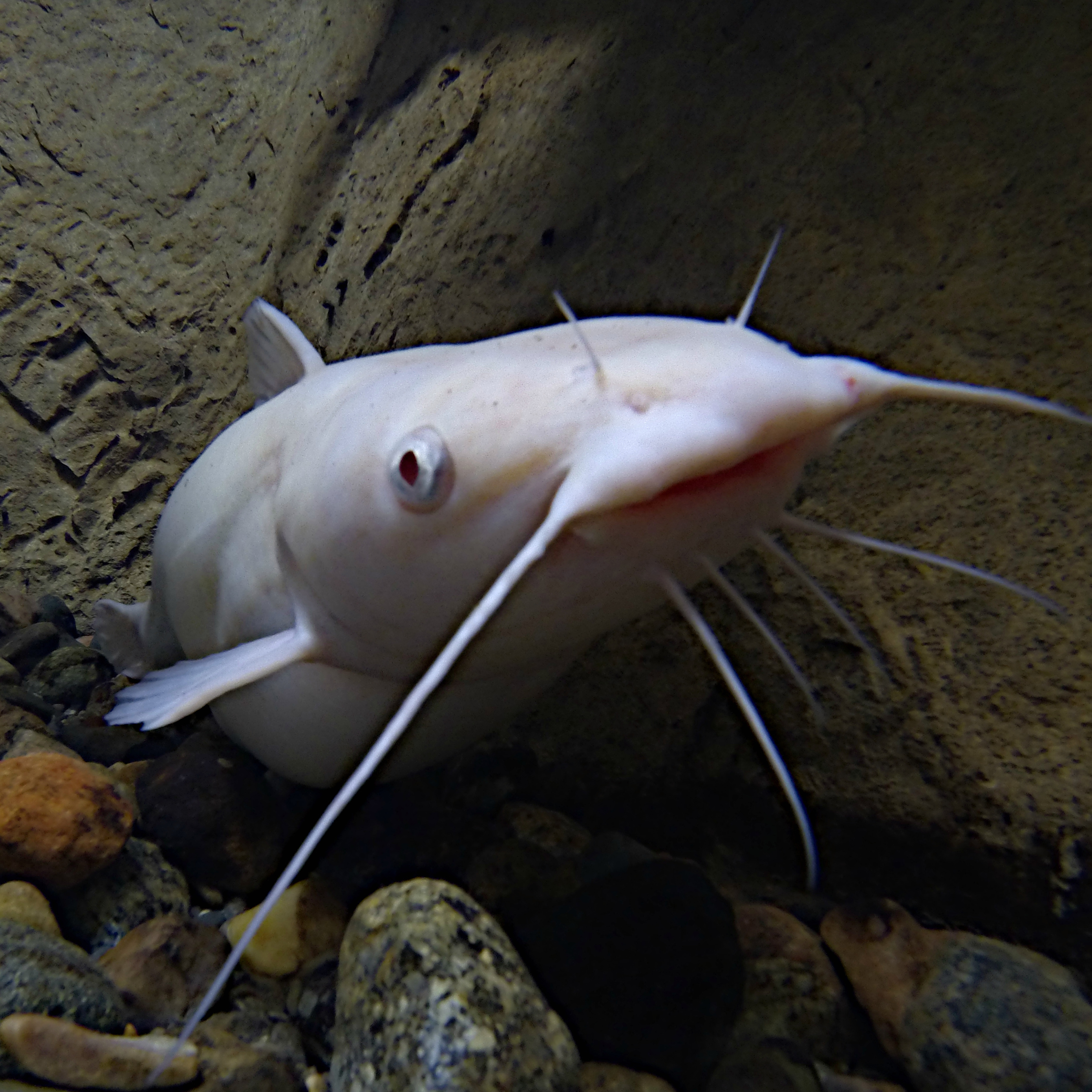
Albino Catfish

Photo: Spencer Neuharth
Albino catfish are channel catfish that lack normal color. Instead, they are white to pale pink with pink eyes. Because they are the same species, they grow, feed, and behave just like regular channel catfish. Their bright color makes them easy to spot at the feeder. As a result, they are a fun choice for kids and for ponds near the house.
Best for: Feeding stations, kids, and show ponds.
Panfish
Panfish are small, deep-bodied fish that fit in a frying pan, which is how they got their name. They form the base of the bass diet and are easy to catch. In addition, the right mix of panfish gives you steady action and good-sized fish. Most Iowa pond owners stock panfish as the base of their fish community.
Bluegill
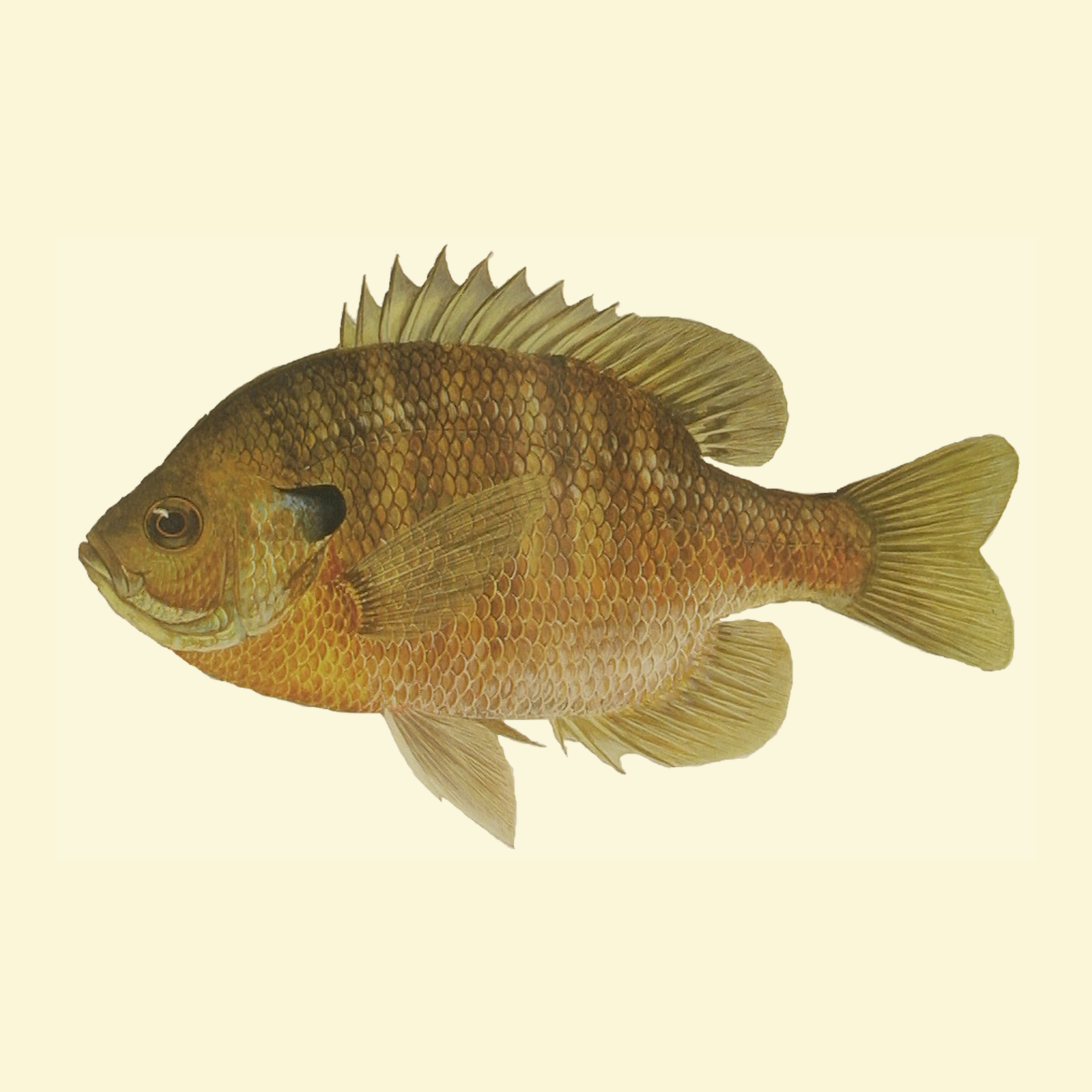
Bluegill have a deep, flat body, a small mouth, and a solid black “ear” flap on the gill cover. Most also have a dark spot at the back of the top fin. Bluegill spawn several times each summer, providing steady food for bass. They are also easy to catch, making them a favorite for beginner anglers. Without enough bass, though, they can overpopulate and stay small.
Best for: The forage base for bass, and family fishing.
Hybrid Bluegill
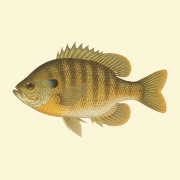
Photo: BJPond
Hybrid bluegill are a cross between a male bluegill and a female green sunfish. They have a larger mouth than bluegill and grow faster. They also bite eagerly and take pellet feed well. Most hybrids are male, so they reproduce far less than pure bluegill. As a result, they are less likely to overpopulate. However, they don’t provide a good food base for bass on their own.
Best for: Small ponds, feeding programs, and fast fishing.
Red Ear Sunfish
Red ear sunfish, also called shellcrackers, look much like bluegill. However, the ear flap has a red or orange edge, and the side fins are long and pointed. Red ear eat snails, helping keep snail numbers down. They also spawn less often than bluegill. As a result, they are less likely to overpopulate and often grow larger.
Best for: Adding big panfish alongside bluegill and bass.
Crappie
Crappie are silvery, speckled panfish with deep, flat bodies and large mouths. They are excellent table fare and popular with anglers. However, crappie often overpopulate in small ponds and then stay stunted. For that reason, many fisheries experts advise stocking them only in larger ponds and lakes. Talk with us before you add crappie to a small pond.
Best for: Larger ponds and lakes with plenty of predators.
Yellow Perch
Yellow perch range from bright yellow to brassy green, with six to eight dark bars on each side. They prefer cool, clear water and do best in deeper ponds. Perch spawn in early spring, draping ribbons of eggs over brush and weeds. They are tasty table fish. Young perch also provide valuable food for bass and walleye.
Best for: Deep, clear ponds and walleye forage.

Predator Fish
Predator fish are large, toothy hunters that feed mainly on other fish. They offer exciting fishing and the chance at a trophy. However, they need plenty of food and room to roam. For that reason, they do best in larger ponds and lakes. If your Iowa pond is large enough, we can help you stock these fish the right way.
Walleye
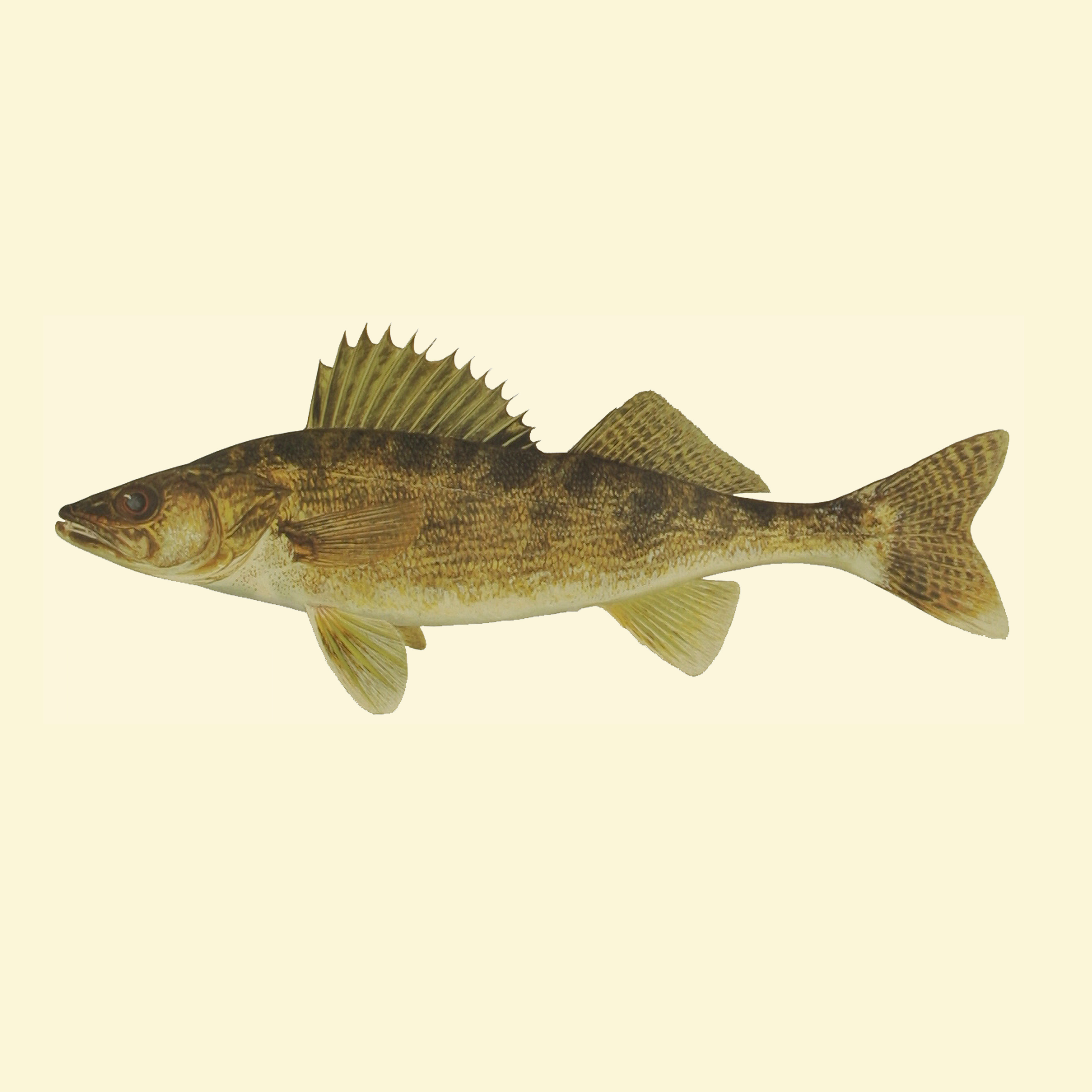
Walleye are olive to gold, with large, glassy eyes and sharp teeth. You can also spot a white tip on the lower tail lobe. Their eyes help them hunt in low light, so they feed most at dawn and dusk. Walleye rarely reproduce in ponds. Because of this, they need regular restocking. They do best in larger, deeper water with plenty of forage.
Best for: Larger ponds and lakes, and great eating.
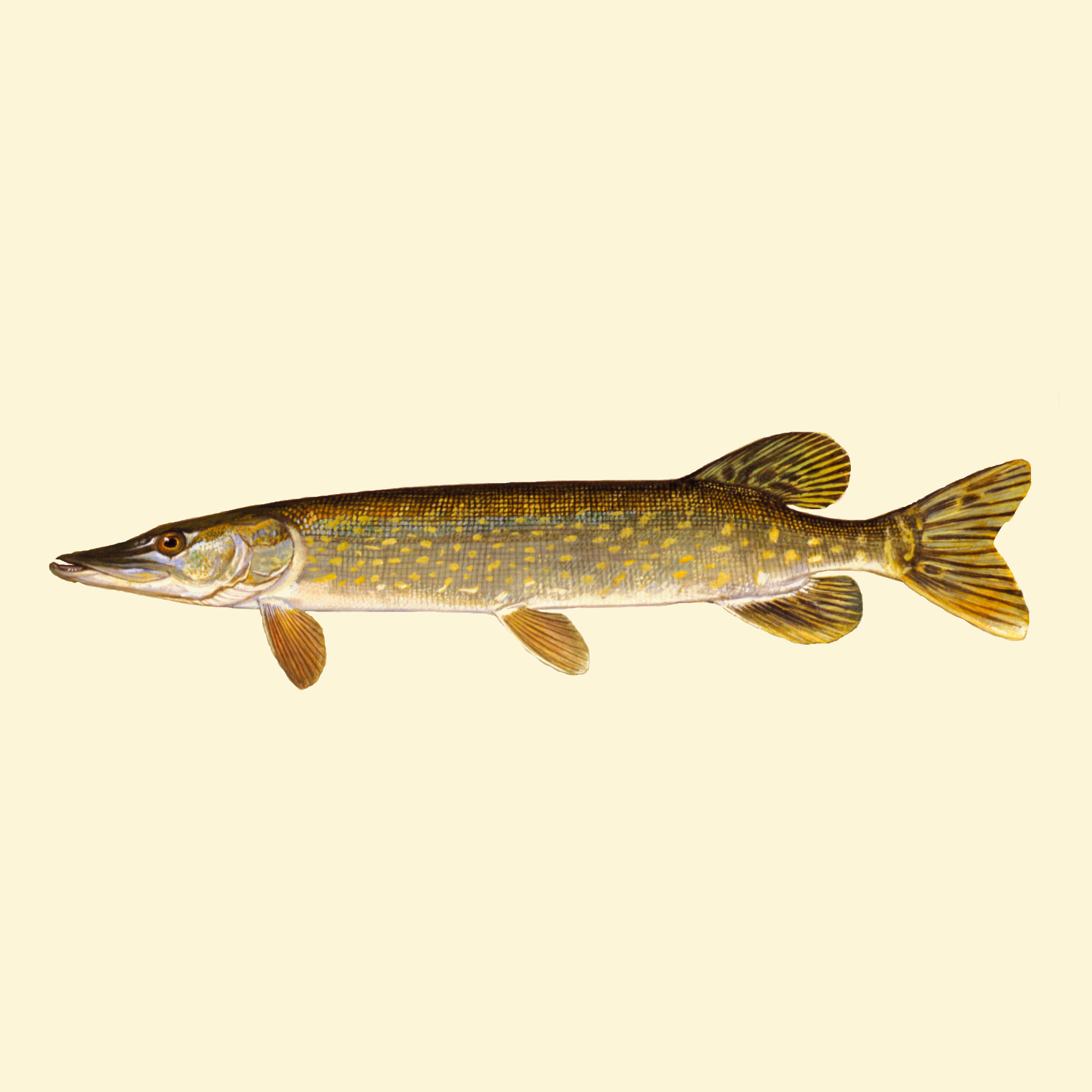
Northern Pike
Northern pike have a long body, a flat “duck-bill” snout, and many sharp teeth. They are dark green with rows of light, bean-shaped spots. Pike hide in weeds, ambush prey, and grow fast enough to eat surprisingly large fish. As a result, they are best suited to larger waters, where they will not wipe out other fish.
Best for: Large ponds and lakes, and trophy fishing.
Muskie
Muskie are the largest member of the pike family and can top 50 inches. Unlike northern pike, they have dark bars or spots on a light background. Their tail fins are also more pointed. Muskie need a lot of food, so they live in big lakes, not small ponds. Anglers call them the fish of ten thousand casts because they are so hard to catch.
Best for: Large lakes and true trophy hunters.
Trout
Trout are coldwater fish that need clean, cool water with plenty of oxygen. Most Iowa ponds get too warm for them in summer. Still, they offer great fishing during the cool months. Cold, spring-fed ponds may also hold them longer. Many Iowa pond owners stock these fish in fall for winter and spring fishing.Rainbow Trout
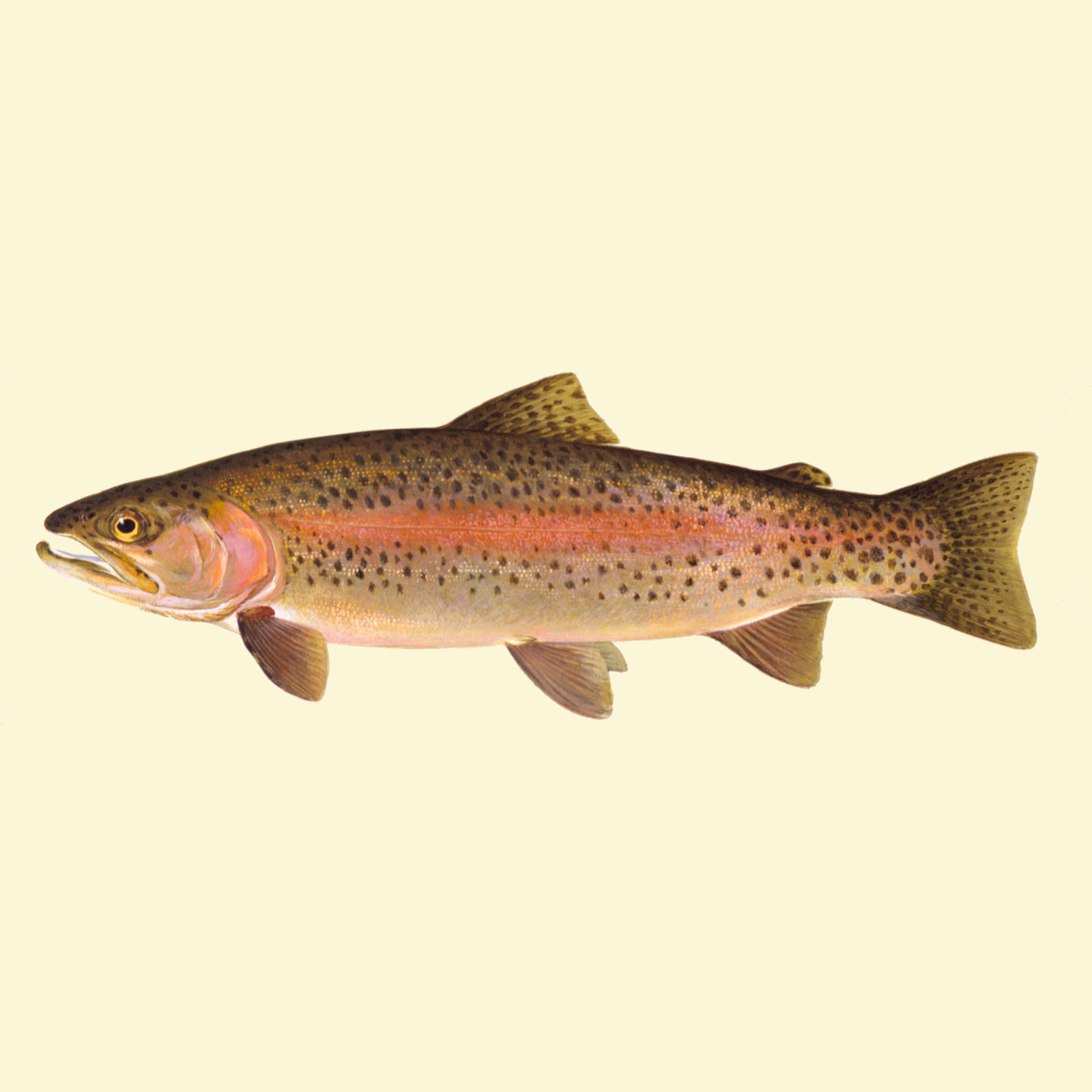
Rainbow trout are blue-green on the back with a pink stripe along each side. Small black spots cover the back, top fin, and tail. Rainbows need cold water. In fact, most Iowa ponds become too warm for them by midsummer. Because of this, owners often stock them in fall for fishing through winter and spring.
Best for: Cool-season fishing and spring-fed ponds.
Brown Trout
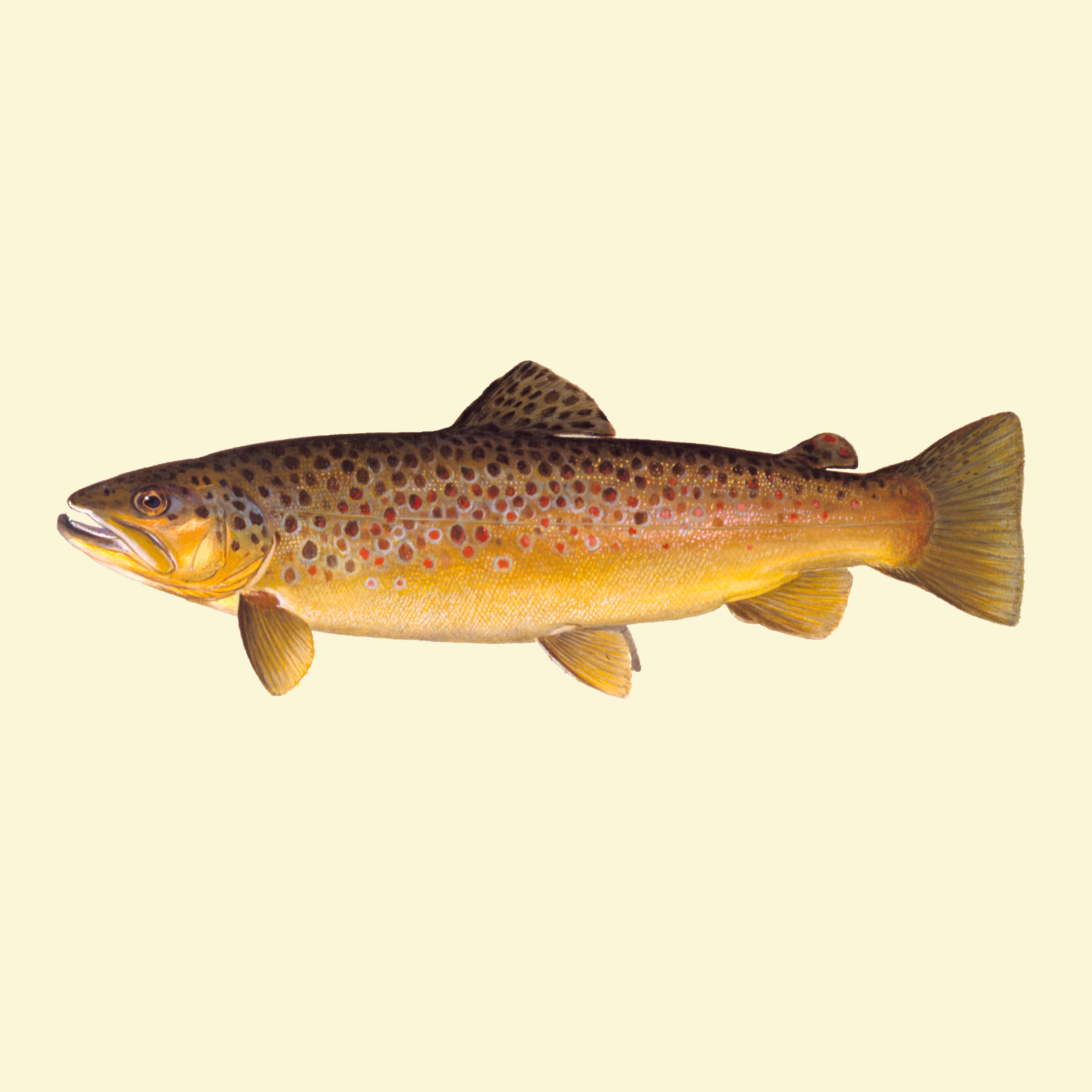
Brown trout are golden brown to olive, with black and red spots. The spots often have pale rings. Browns handle slightly warmer water than rainbows. Still, they need cold water to survive the summer. They are also wary and hard to catch, so they reward patient anglers. They do best in cold, spring-fed ponds.
Best for: Cold, spring-fed ponds and skilled anglers.
Forage Fish
Forage fish are small fish stocked mainly to feed predators. They help young bass grow quickly and provide food for larger fish. Because they breed fast, they are often the first fish added to a new pond. Forage fish are a key part of nearly every new Iowa fish stocking plan.
Fathead Minnow
Fathead minnows are small, olive-colored fish with blunt, rounded heads. They rarely grow longer than three inches. During spawning, males darken and develop small bumps on their heads. Fatheads breed quickly, so they provide a fast food source for new bass. However, bass eat them up quickly once they grow. For that reason, stock fatheads early, before or with your first bass.
Best for: Jump-starting new ponds with forage.
Golden Shiner
Golden shiners are larger minnows with a deep, flat, gold-tinted body and a small, upturned mouth. They often reach six to eight inches. Because of their size, they make good forage for larger bass that have outgrown small prey. They also do well in ponds with some vegetation, where they can hide and spawn.
Best for: Forage for larger bass and growing trophy fish.
Weed Control Fish
Weed-control fish eat plants instead of other fish. In fact, the right fish can reduce soft underwater weeds without chemicals. As a result, they offer a natural, long-term way to keep weeds in check. Grass carp are a common choice in Iowa fish stocking plans for weedy ponds.
Grass Carp

Photo: Peter Halasz
Grass carp, also called white amur, have a long, torpedo-shaped body with large, dark-edged scales. Unlike common carp, they have no barbels. Grass carp eat soft underwater weeds, such as pondweed and elodea. However, they do little to control algae or tough shoreline plants. Weed-control grass carp are usually sterile, so they cannot reproduce. Also, screen your spillway to keep them from escaping.
Best for: Natural control of soft underwater weeds.


Iowa Fish Stocking FAQs
When is the best time for Iowa fish stocking?
Spring and fall are usually the best times for Iowa fish stocking. During these seasons, the water is cooler and holds more oxygen. As a result, fish handle the trip and settle in with less stress. However, grower availability changes every year. For that reason, we recommend reserving your fish and stocking date early.
How many fish should I stock per acre?
It depends on your pond and your goals. Every pond is different, so we tailor each Iowa fish stocking plan to your water, your fish, and how you want to use your pond. We need to understand your current pond to help you succeed long-term. The Iowa DNR also offers helpful pond stocking and management guidelines.
Which fish should I stock first in a new Iowa pond?
Start with forage fish and panfish, such as fathead minnows and bluegill. Then add bass once the bluegill have had time to spawn. That way, your bass have plenty to eat from day one. In addition, the bluegill get a head start, so the pond stays in balance.
What is corrective fish stocking for Iowa ponds?
Corrective stocking adds the right fish to fix a pond that is out of balance. For example, a pond full of small, stunted bluegill often needs more bass. First, we survey your pond with electrofishing to see what is there. Then we build a plan to restore balance.
Do I need a pond audit before I stock?
For a new pond, you can usually skip it. However, an established pond already has fish, and guessing can make problems worse. Because of this, we recommend a pond audit with electrofishing before most Iowa fish stocking in older ponds.
Do you deliver stocked fish across Iowa?
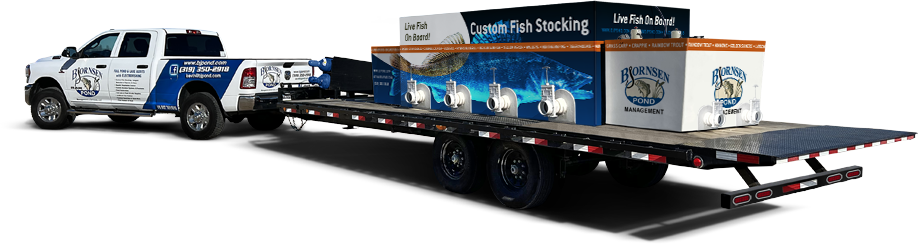
Yes. Our Iowa fish stocking trucks and trailers bring healthy fish right to your pond. Contact us to check delivery to your area and to set a date. Your pond access will determine how we deliver fish. We offer large flatbed trailers with tanks, smaller trailers with tanks, and pickup-based fish-hauling rigs. We choose the rig based on your order size, travel distance to your pond, and shoreline access.
How do I order fish?
Start with our Iowa fish stocking worksheet. It helps you share your pond size, goals, and the species you want. Then we will follow up with a plan and a stocking date. You can also call or contact us online, or call Kevin at (319) 350-2918 or Nick at (319) 432-5301.