Learn: Pond Management Tips, Videos, & FAQs
Everything here comes from our team of wildlife and fisheries biologists. In fact, their advice combines formal education, years of hands-on work on ponds and lakes, and ongoing training. So browse our pond management tips, watch our videos, and find quick answers to common pond questions.
Pond Management Videos
Watch our newest pond management tips on video first. In addition, new videos from our YouTube channel appear here automatically.
Browse Pond Management Tips by Topic
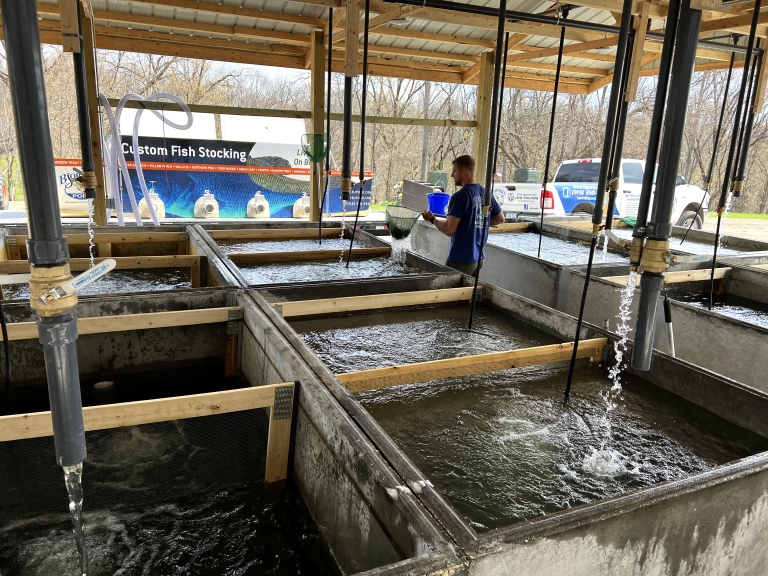
Fish Stocking
First, plan your fishery: which species to stock, how many, and when to add them.
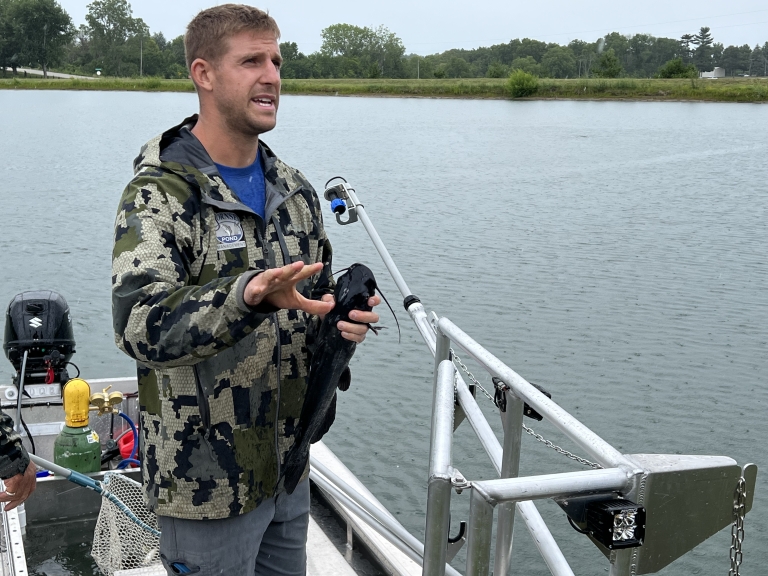
Electrofishing & Pond Audits
Because every pond is different, we survey fish populations to check their balance, size, and health.
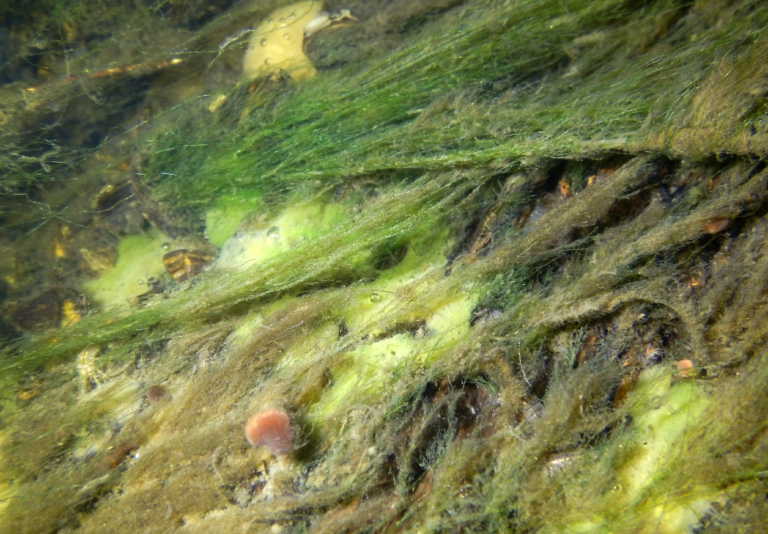
Weed & Algae Control
First, identify common pond weeds. Then choose the right control method.
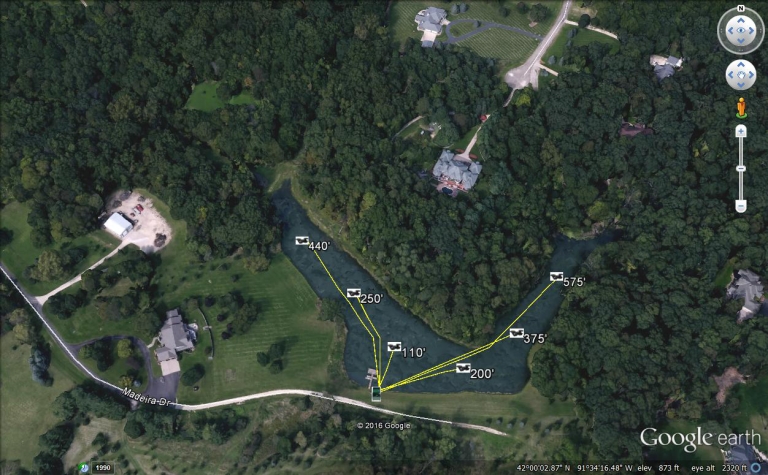
Pond Aeration
Learn how aeration works. Also, see how to choose and install the right system.
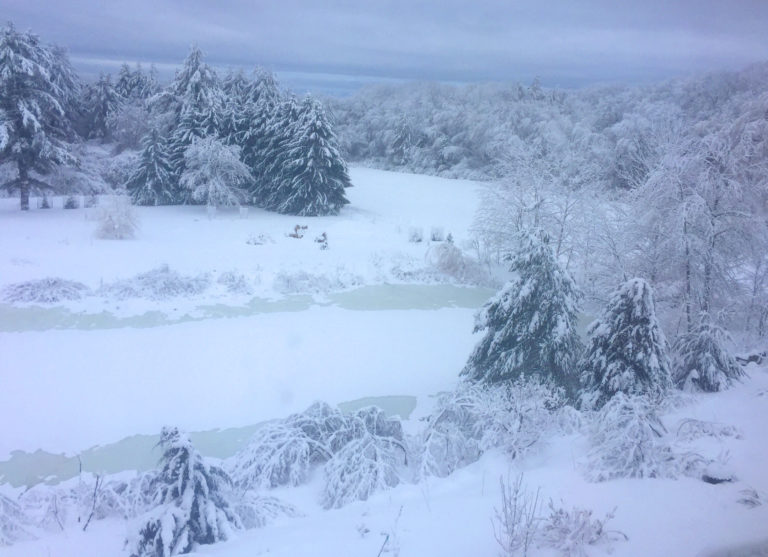
Seasonal Pond Care
Get your pond ready for winter, so your fish have a better chance under the ice.
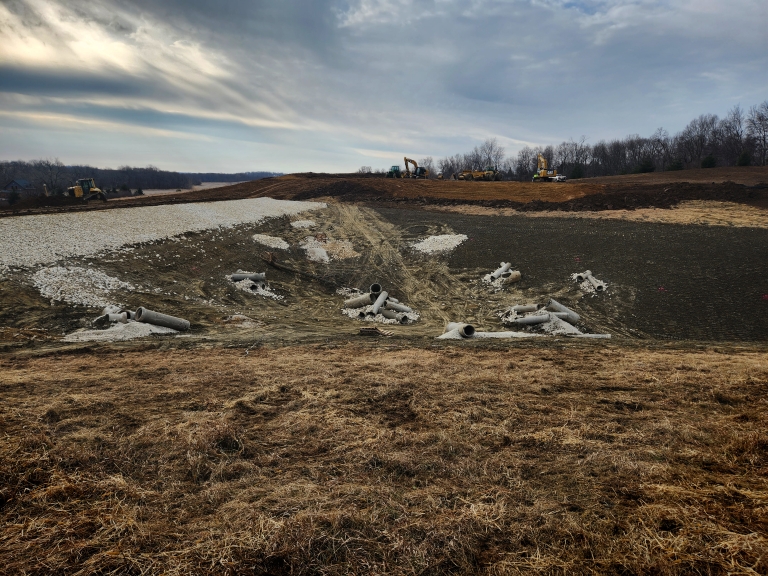
Pond Construction & Upkeep
Build a new pond or restore an old one. In addition, care for the land around it.
Pond Care FAQs
When is the best time to stock fish?
Spring and fall are usually best. That is because cooler water holds more oxygen, so new fish handle the trip with less stress. Learn more about fish stocking.
Which fish should I stock first in a new pond?
First, start with forage fish and panfish, such as fathead minnows and bluegill. Then add bass after the bluegill have spawned, so the bass have plenty to eat. Learn more about fish stocking.
How often should I restock my pond?
It depends on your pond. For example, catfish, walleye, and hybrid fish rarely reproduce in ponds, so they need regular restocking. A fish survey every few years shows when it is time. Read why ponds need restocking.
What is electrofishing?
Electrofishing uses a mild electric current to stun fish for a short time. Then biologists net, measure, and release them. As a result, the survey shows the balance, size, and health of your fish. Learn about pond audits.
Does electrofishing hurt the fish?
Not when it is done correctly. The current only stuns fish briefly, so most swim away normally within minutes.
How often should my pond be electrofished?
In general, every few years works for most ponds. However, schedule a survey sooner after a fish kill, a big change in fishing, or a new stocking.
How do I get rid of pond weeds?
First, identify the weed, because each type needs a different approach. Then choose prevention, removal, grass carp, or an herbicide labeled for that plant. Learn more about weed and algae control.
Will grass carp control algae?
No. Grass carp eat soft underwater weeds. However, they do little to control algae or shoreline plants like cattails.
Should I run my pond aerator in winter?
It depends on your pond: how much muck is on the bottom, how long the ice lasts, how much snow covers it, and how many fish you have. Also, if you run it, move the diffusers out of the deepest water. Get your pond winter-ready.
How does land management help my pond?
Most pond problems start on land. So when you control runoff and erosion, less soil and fewer nutrients wash in, so your water stays cleaner. Learn about land management.
Have a question about your pond, or want more pond management tips? Call Kevin at (319) 350-2918, or contact us online.