Get Your Pond Winter-Ready And Keep It Healthy Year-Round
Winter is around the corner, and now is the time to winterize your pond. A bit of preventative work now keeps your fish healthy through the winter. It also puts you ahead of pond weeds come spring.
How to Winterize Your Pond: A Winter-Ready Checklist
- Don’t give muck a head start. Leaves, grass, and dead plants pile up on the pond bottom all fall, and that muck uses up oxygen under the ice. On a large pond, the most practical fix is a late-season treatment of MuckEater and PondFit while the water is still above 55°F. If you can, also keep grass clippings and leaves out of the water near the shoreline.
- Check your aeration system. Clean or replace the air filter and inspect your diffusers. If you’ll run it this winter, move the diffusers out of the deepest water into shallower water before ice forms.
- Keep open water where you need it. A de-icer or aerator keeps ice away from docks. Mark open water, and keep people and pets off thin ice.
- Cut back on feeding. Fish eat much less in cold water, so feed less as the water cools and stop once they quit taking food.
- Plan to clear the snow. Snow on the ice blocks sunlight and can lead to a winter fish kill. So after each snowfall, clear the snow off part of the ice.
- Book spring services early. Get on the schedule for electrofishing and fish stocking before the spring rush.
Aeration Systems and Components
Aeration plays the most important role in improving water quality. Our aeration systems keep oxygen levels high while decreasing toxic gases that accumulate due to decaying vegetation and fish waste. Browse our aeration systems below. We carry systems from small to large, along with the diffusers, weighted tubing, sound deadening packages, and other components you’ll need to start or add to your pond aeration layout. And don’t forget, we always offer you our expertise for custom sizing and quotes—free! Is your aeration system working properly? Is it properly sized for your pond size and fish population? Now is the time to check things out. Plus, every EasyPro aeration system ships free.


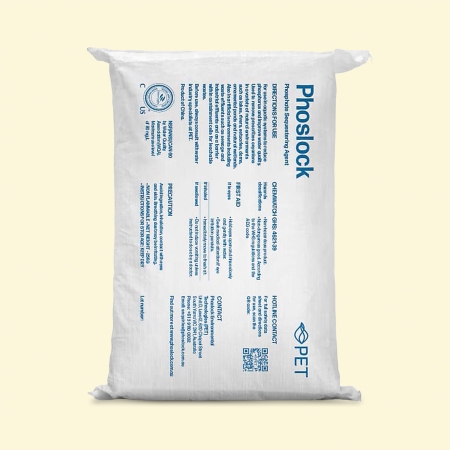
Our natural pond treatments include Ultra-Concentrated Pond Dye, MuckEater Pelleted Pond Bacteria, PondFit Beneficial Pond Bacteria, and Phosphate Binder.
- Bjornsen Pond Management’s PondFit Beneficial Pond Bacteria removes organic matter and sludge, reduces odors, and decreases excess nutrients. PondFit contains 5 billion colony-forming beneficial bacteria units per gram versus competitors’ 1 billion units per gram. This means 5x the results in your pond. Start with a double dose. Then add 4 lbs. per surface acre every two weeks, or 6 lbs. for older ponds with high muck levels, when water temperatures are above 55°F. Our special formulation is effective in water as low as 35°F.
- MuckEater Pelleted Pond Bacteria sinks into the bottom muck and digests it. For spot treatment, use one scoop every two weeks per 1,000 to 1,500 square feet of beach or shoreline. For the whole pond, broadcast two scoops every two weeks per 1/4 acre. MuckEater is best used together with PondFit for a complete water quality program.
- Ultra-Concentrated Pond Dye limits sunlight penetration to the bottom of the pond. By using Bjornsen Pond Management’s Ultra-Concentrated Pond Dye along with MuckEater, PondFit, and Phosphate Binder, you will create a natural and proactive approach to pond management.
- Start these treatments in spring, after ice-out, to stay ahead of water quality issues. If you are not sure of what you need to be doing now, or early in the spring, give us a call. We are here to help! Contact Kevin online or call (319) 350-2918.



When should I winterize my pond?
In late fall, as water temperatures drop and before the pond freezes over. That leaves time for a final bacteria treatment while the water is still above 55°F.
Should I run my pond aerator in winter?
It depends on your pond. Some professionals say always run it, and others say never, because the right answer depends on four things:
- Decaying organic material. Leaves, dead weeds, and muck on the bottom use up oxygen as they break down under the ice. Iowa State University lists high nutrient loads and heavy vegetation before freeze-up as common causes of winter fish kills in Iowa ponds.
- How long has the pond been iced over? Oxygen keeps dropping the longer the pond stays covered. A thaw of a few days helps it recover.
- Snow on the ice. Snow blocks sunlight, so plants and algae stop making oxygen. A few inches of snow can cut off nearly all of it.
- Your fish population. More fish, and bigger fish, need more oxygen (University of Illinois Extension).
A deep pond with little muck, a moderate fish population, and short ice cover often does fine without winter aeration. A shallow, mucky, heavily stocked pond under weeks of snow-covered ice is at real risk.
If you run your aerator, move the diffusers out of the deepest water into shallower water (about 3–4 feet deep, as Pond Boss recommends). That keeps a small area of open water while leaving the warmer bottom water undisturbed for fish. Start it before ice forms and run it all winter, rather than switching it on in mid-winter. Ice near open water is never safe, so mark the area and keep people and pets off. Not sure about your pond? Call Kevin at (319) 350-2918.
How do I prevent a winter fish kill?
Clear snow off part of the ice after each snowfall so sunlight reaches the water. Also, keep your aeration running, and cut down on muck before freeze-up. Learn more about preventing winter fish kill.
Do I need to feed my fish in winter?
Fish eat much less in cold water. So cut back as the water cools, and stop once they quit taking food.
When should I start pond treatments in spring?
After ice-out, once the water warms above 55°F. Start PondFit with a double dose, then treat every two weeks.